

Court Rules Officers Cannot Be Sued in Death of Livingston County Detainee
A federal appeals court has ruled that 11 Livingston County jail officers cannot be sued in connection with the 2018 death of detainee John Griswold. The decision by the 6th U.S. Circuit Court of Appeals overturned a lower court ruling and has renewed scrutiny of qualified immunity protections for law enforcement.

Women’s Prison Death Raises Questions After Mold Complaints
Khaira Howard, a 28-year-old Detroit woman who was expected to be released on parole May 27, died May 13 at Women’s Huron Valley Correctional Facility near Ypsilanti. Michigan Department of Corrections spokesperson Jenni Riehle confirmed the death in a May 14 email to the Detroit Free Press, saying the cause remains under investigation but appears to be connected to an unexpected personal health emergency.
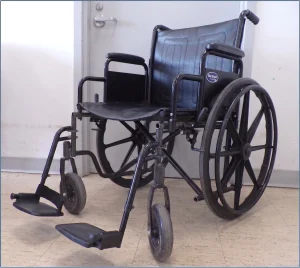
New Shipment of Wheelchairs Sent to Women’s Facility Following “Endangerment” Report
In a move to address long-standing mobility issues, the MDOC recently delivered 90 wheelchairs to Michigan’s sole women’s prison. The shipment follows an investigation by Disability Rights Michigan that exposed a dire shortage of equipment, effectively trapping some residents and causing them to miss basic needs. While advocates described the situation as a long-term failure, this new equipment aims to rectify the safety hazards identified in the report.
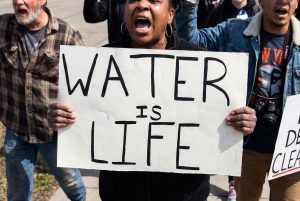
Overlapping Water Suppliers Leave Flint Residents Frustrated and Perplexed
Even as she was led away in handcuffs by police, Claire McClinton’s resolve remained clear. The yellow tape used by her group to mark their protest at the state Capitol was gone, and her cardboard “tombstone” for clean water had been seized. Despite the chaos, her crisp white shirt still carried the day’s essential message: four years of the Flint water crisis was four years too many.

Wave of violence continues with fourth suspected homicide in Michigan prisons
A Michigan prison has become the site of a fourth suspected inmate homicide in five weeks. Since late March, deaths have been reported almost weekly across four prisons, with all incidents under review by the Michigan State Police.

From Classroom to Community: Credentials That Make the Connection
In 2014, the city of Flint, Michigan changed its water source to save money, a decision that exposed tens of thousands of residents to dangerous levels of lead. Children were harmed. Families were let down. And for years, government at every level failed to act. In that moment, LaShaya Darisaw emerged—not as a bystander, but as an organizer driven by conviction and equipped with the strategy to respond.
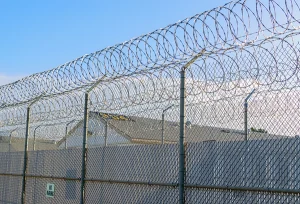
Inside Michigan Department of Corrections Salaries: What Workers Earn
More than $959 million was paid out in 2025 to thousands of Michigan Department of Corrections employees. The department manages 26 prisons across the state, with a population of about 33,000 incarcerated individuals, and is also responsible for probation and parole oversight.

Violence and Staffing Gaps Fuel Safety Issues at Michigan Juvenile Center
According to current and former employees, Michigan’s newest public youth treatment center opened prematurely last summer and is now effectively being run by its residents. A lack of training and staffing—paired with several high-acuity teens—has fueled staff burnout, repeated procedural breakdowns, and major safety and security risks at the Mount Clemens facility.
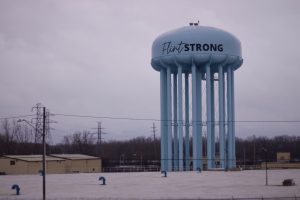
Flintside Flint Water Crisis settlement checks roll in as residents lament 12th anniversary
“They’re still suffering from the trauma of brown water,” Dotson said of her then-14-year-old and 7-year-old. They lived off Dort Highway and Court Streets when the Flint Water Crisis started more than a decade ago, which is when they stopped taking baths to limit their exposure to lead-laced water.
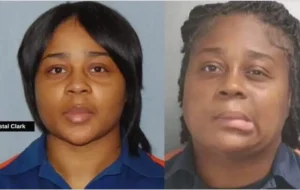
Advocates urge medical clemency for Michigan inmate after black mold exposure
Lawmakers, reform activists, and allies are calling on Gretchen Whitmer to grant medical clemency to inmate Krystal Clark at Women’s Huron Valley Prison.